G-VNE2PTQYPK kG-PPOIP_Xr6VYE6ZaIXQuigD-TwNAqq4a3H65Nlb3A The Comfort of the Known - Why We Stay Stuck - The Cognitive Performer

Episode 9

The Comfort of the Known - Why We Stay Stuck

Why do we stay in patterns that hurt us? Why do we return to familiar anger, destructive relationships, or self-defeating habits even when we logically know better? In this episode, we explore the neuroscience of why the brain mistakes familiarity for safety - and what it takes to actually change.

In This Episode:

  • Why "knowing better" doesn't equal "doing better"
  • The two minds competing inside your brain (and which one usually wins)
  • How your hippocampus keeps you stuck in the familiar
  • The aversion amplifier: why change feels dangerous even when it's good
  • Five science-backed conditions for creating lasting change

SOURCES REFERENCED:

Brain Systems & Memory:

  • Dual hippocampal memory systems (associative vs. predictive coding) - optogenetic study in rats demonstrating separate memory pathways for familiarity and navigation

Default Mode Network:

  • DMN activation patterns in depression and rumination - increased self-referential processing maintains negative narratives

Aversion & Threat Processing:

  • Interpeduncular nucleus (IPN) circuit amplifies aversive experiences - isolated brainstem pathway that intensifies discomfort without triggering general anxiety

Cognitive Flexibility:

  • Brain signal variability correlates with cognitive flexibility - higher variability in inferior frontal junction predicts better task-switching ability

Model Arbitration:

  • Amygdala's role in arbitrating between habit-based and goal-directed learning systems

Quote:

  • Scott Galloway: "It's very difficult to read the label from inside the bottle"

About the Podcast

Show artwork for The Cognitive Performer
The Cognitive Performer
Unlocking Peak Performance Through Neuroscience

About your host

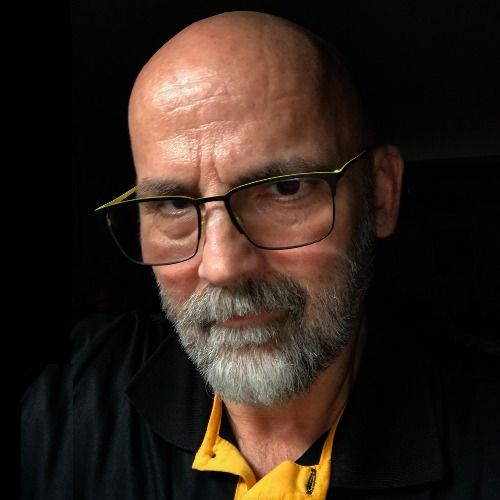
Profile picture for Marco Rigazio

Marco Rigazio

As host of "The Cognitive Performer," I blend my professional voice acting expertise with a deep passion for cognitive science to explore how our brains can enhance our creative performance and resilience.

My journey began with a Masters degree in Exercise Science, where I first became fascinated with the science of human performance. This academic foundation, combined with my years as a professional voice actor, gives me a unique perspective on the mind-performance connection.

Throughout my career, I've witnessed how understanding mental processes transforms my creative work. My experience in improv and acting classes, voice lessons and ongoing coaching to hone my skills, further deepened my appreciation for how neuroscience principles can be applied to artistic expression.

Each episode of "The Cognitive Performer" draws on this background as I interview leading experts and share evidence-based strategies on topics ranging from neuroplasticity and flow states to emotional regulation and burnout prevention.

Whether you're a voice actor, performer, or professional seeking to strengthen your "mind muscle," this podcast translates cutting-edge cognitive science into practical techniques you can apply immediately to your craft and life.

Join me monthly as we explore the fascinating intersection of brain science and peak performance.